Global Trade & Logistics Solutions
Trade routes history dates back to ancient times when merchants traveled long distances to exchange goods, fostering cultural exchange and economic growth.

Impact on Civilizations
• Economic growth:
Cities like Samarkand, Venice, and Timbuktu flourished as trade hubs.
• Cultural exchange:
Trade routes spread languages, art, and philosophies. For example, Islamic architecture influenced Spain via Mediterranean trade.
• Political power:
Control of trade routes often determined the rise and fall of empires. The Ottoman Empire’s dominance over eastern Mediterranean routes pushed Europeans to seek sea routes around Africa.
• Unintended consequences:
Alongside prosperity, trade routes also spread pandemics like the Black Death via the Silk Road.
🏺 Famous Ancient Trade Routes
Trade routes history dates back centuries, connecting cultures, exchanging goods, shaping civilizations worldwide.

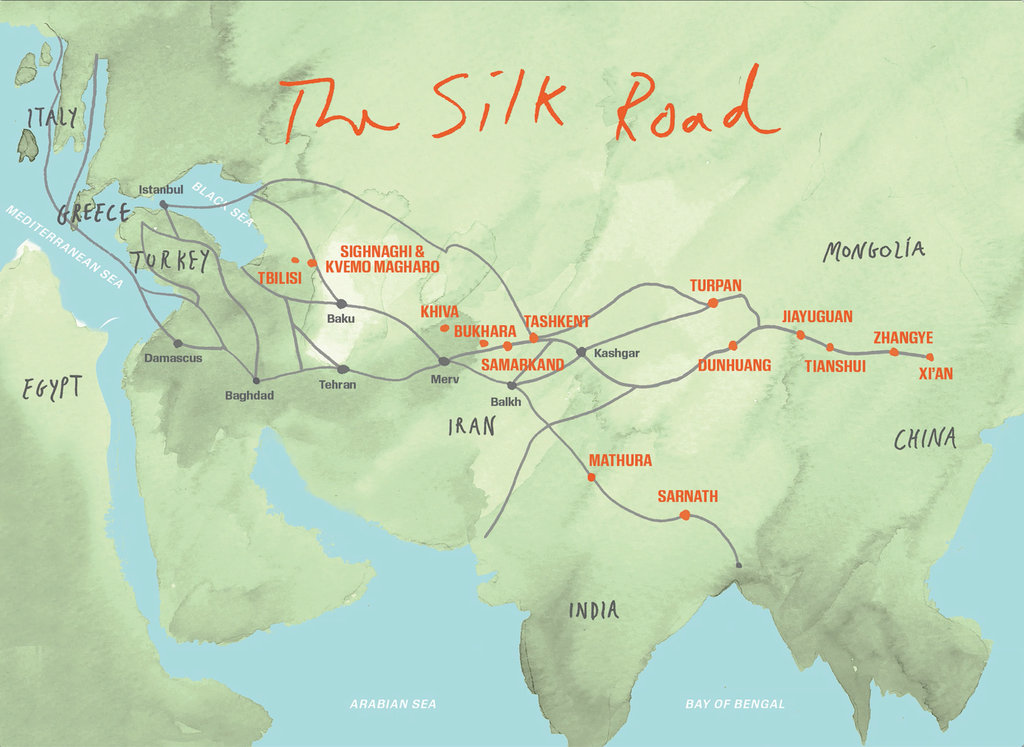
The Silk Road: Perhaps the most iconic, it connected China to the Roman Empire. Starting in Xi’an, it stretched 4,000 miles through Central Asia to the Mediterranean. Beyond silk, it spread religions like Buddhism and Islam, technologies like papermaking, and even diseases such as the plague.
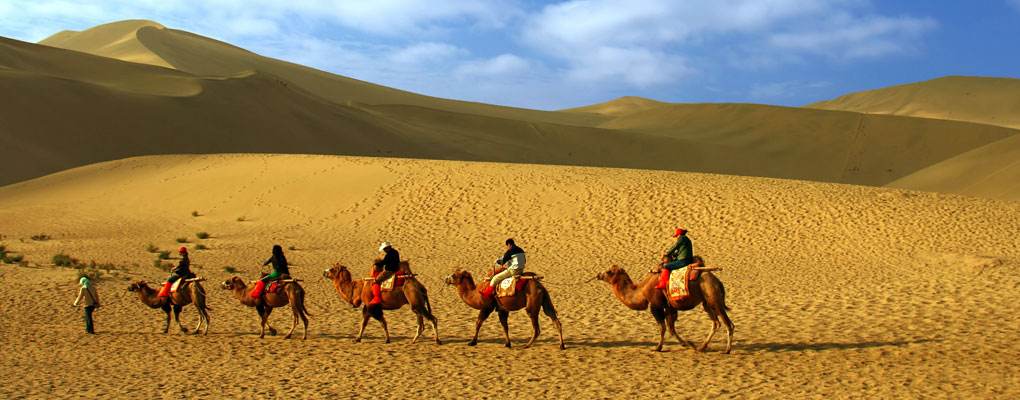
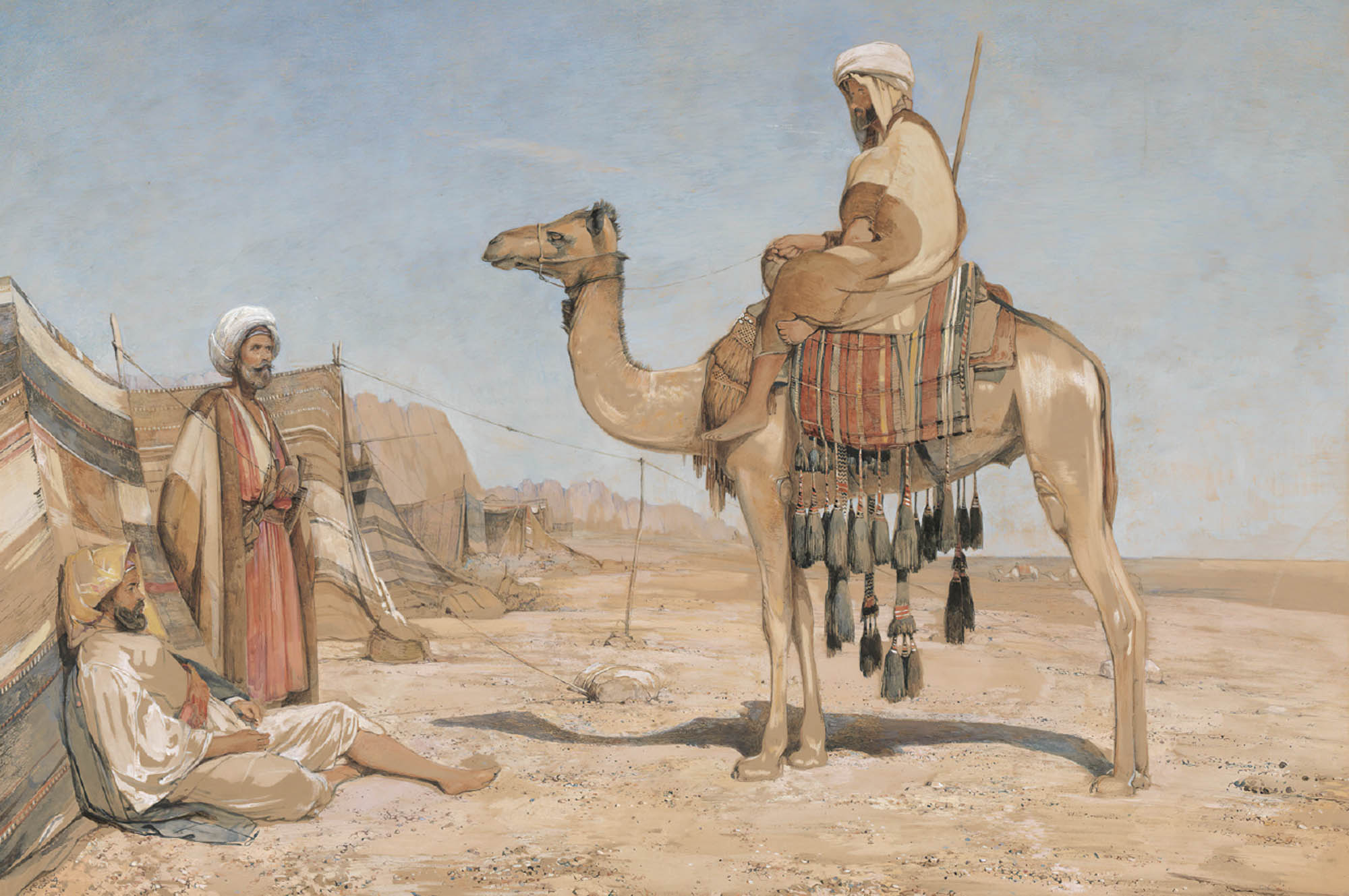
Trans-Saharan Routes: Connected West Africa to North Africa, trading gold, salt, and slaves. Camel caravans made these desert crossings possible.
The Spice Routes: Maritime paths linking Asia to Europe. Spices like pepper, cinnamon, and nutmeg were so valuable they sparked European exploration in the 15th century, leading to direct sea routes to India and Indonesia.
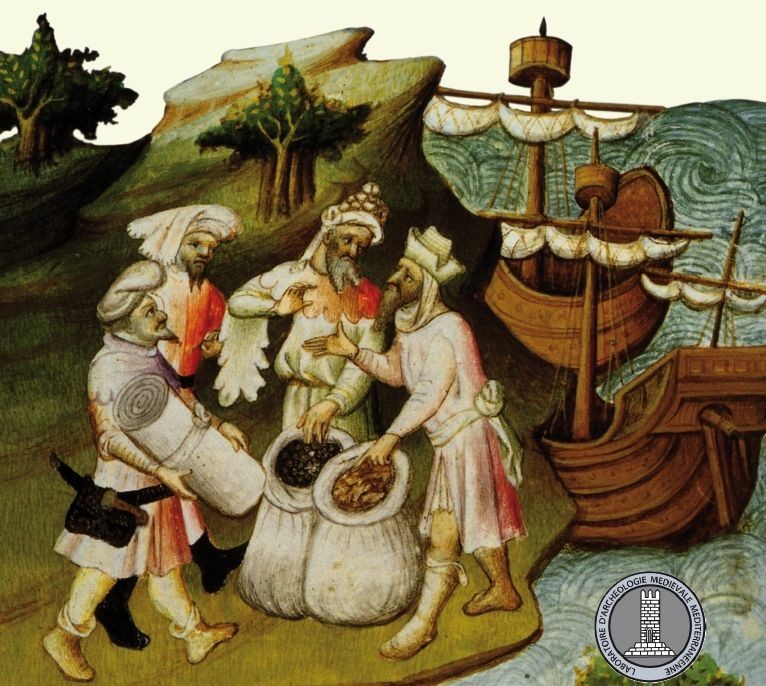
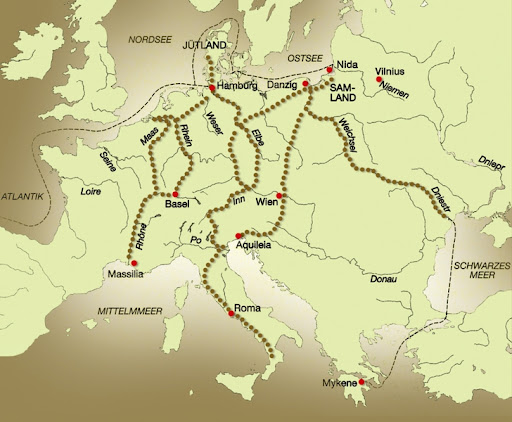
The Amber Road: A land route across Europe that carried amber from the Baltic to Mediterranean markets.
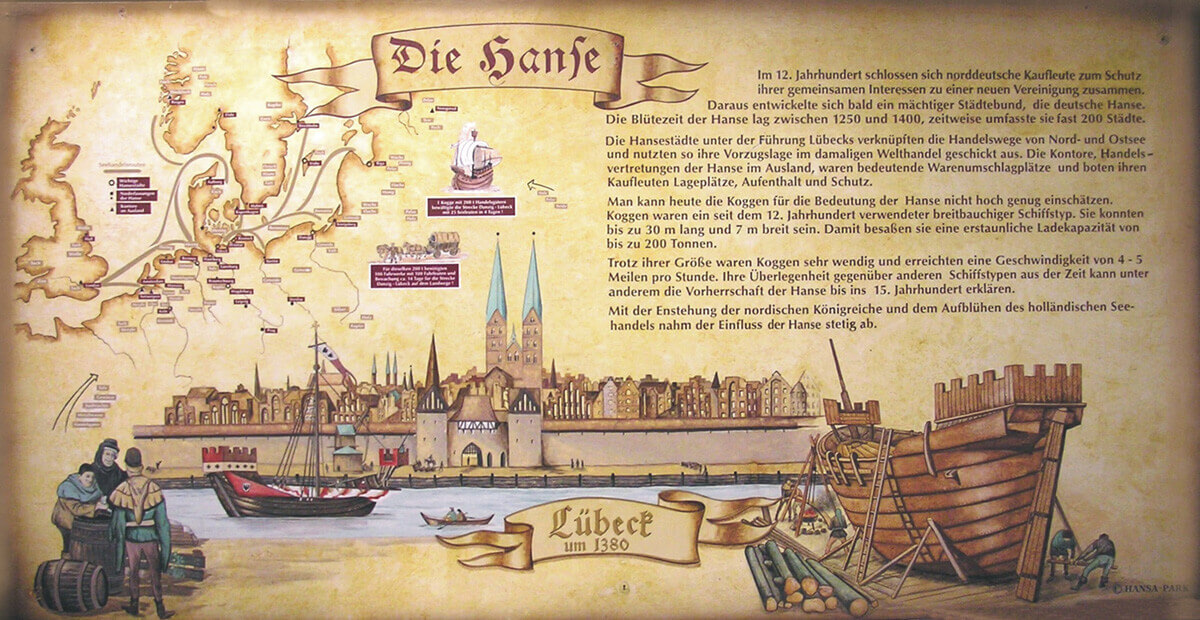
Hanseatic League Routes: In medieval Europe, this alliance of merchant guilds controlled trade across the Baltic and North Seas.
European powers established global maritime routes, linking Asia, Africa, and the Americas. Colonial era trade routes were dominated by the Transatlantic Triangular Trade (Europe, Africa, Americas) and maritime routes to Asia, driven by mercantilism and colonialism, moving enslaved people, raw materials (sugar, tobacco, cotton), and manufactured goods, with major routes connecting Europe to the West Indies (Middle Passage), the Americas, Africa, India, and Southeast Asia, forming complex global networks vital for colonial economies
Industrial Era trade routes were defined by steamships and railways, expanding global networks beyond older paths like the Silk Road and Indian Ocean routes, connecting continents through faster, larger-scale transport of raw materials (cotton, minerals) to factories and finished goods to new markets, driven by European imperialism, and establishing crucial maritime lanes like the Suez and Panama Canals, fundamentally reshaping world commerce and power dynamics.
Air cargo, pipelines, and digital trade networks dominate todays trade methodologies. Modern free-trade agreements and global supply chains echo the interconnectedness of ancient routes. Today's world trade relies on major maritime routes (Trans-Pacific, Asia-Europe via Suez, Transatlantic), vital chokepoints (Strait of Malacca, Hormuz, Panama, Suez Canals), extensive rail/road networks, digital platforms, and air freight, using methods like container shipping, digital logistics, and multimodal transport, with emerging focus on sustainable practices, digital trade, and new Arctic routes.